Understanding the Mysteries of Wound Injuries and Their Optimal Management
- Dr.Sabyasachi Goswami
- Jun 15, 2025
- 4 min read

Wound injuries are something everyone faces at some point, whether it's a simple cut while cooking, a scrape from a sports activity, or a more complex surgical incision. It's vital to understand how these injuries occur and how to handle them effectively. Proper management not only aids healing but also helps prevent potential complications.
In this post, we will explore the different types of wound injuries, their causes, symptoms, and the best practices for effective management.
Types of Wound Injuries
Wound injuries can be grouped based on their characteristics and the extent of damage inflicted on the skin and deeper tissues.
1. Acute Wounds
Acute wounds happen suddenly and result from trauma. Common examples include cuts from a kitchen knife, abrasions from falls, or lacerations offered by sharp objects. Acute wounds often heal within one to three weeks, going through stages such as inflammation, tissue growth, and maturation. For instance, a simple cut may take about 10 days to heal if kept clean and protected properly.
2. Chronic Wounds
In contrast, chronic wounds do not heal well over time and can last for months or years. Several factors contribute to chronic wounds, including poor blood circulation, diabetes, and prolonged pressure. An alarming statistic is that nearly 15 percent of people with diabetes may develop foot ulcers, which are a common type of chronic wound. Effective management for chronic wounds often includes specialized care such as wound dressings that encourage moisture retention and improve healing.
3. Surgical Wounds
Surgical wounds are created during operations and their care is crucial. They are usually closed with stitches, staples, or adhesive strips. For example, a surgical incision following an appendectomy typically takes about two weeks to heal. Effective management requires monitoring for signs of infection like redness, swelling, or unusual drainage.
Causes of Wound Injuries
Wound injuries can stem from different sources, with unique challenges for treatment.
Trauma
Physical trauma is a frequent cause of wounds. Accidents can happen anywhere – at home, in the workplace, or on the sports field. According to the National Safety Council, over 4.5 million people in the U.S. seek medical attention for dog bites annually, illustrating the hazards present in daily life.
Environmental Factors
Environmental elements can also lead to wounds. Harsh weather, such as extreme cold or heat, can cause skin damage and abrasions. For example, prolonged exposure to cold weather can lead to frostbite, a severe injury requiring immediate care.
Medical Conditions
Certain medical conditions, like diabetes or vascular diseases, increase the risk of developing wounds. For instance, individuals with diabetes may experience significantly slower healing times. In fact, studies show that about 200,000 diabetic foot ulcers occur yearly in the United States. This emphasizes the need for careful management strategies to aid healing.
Symptoms of Wound Injuries
Recognizing the symptoms of wound injuries is vital for effective treatment. Common signs include:
Pain: The level of pain can indicate the severity of the wound and may suggest the presence of a deeper issue. For instance, a deep laceration might cause more intense pain than a superficial cut.
Swelling and Redness: These symptoms frequently suggest inflammation or possible infection at the wound site, which, if left unattended, can lead to more significant health concerns.
Drainage: Noticing any discharge is important. Clear drainage is normal, but if it becomes yellow or green, this could indicate an infection.
Foul Odor: An odor can also signify infection, requiring immediate medical assessment.
Optimal Management of Wound Injuries
Proper wound management is crucial in promoting healing and preventing complications. Here are essential best practices:
1. Keep the Wound Clean
The first step is to clean the wound gently with soap and water. This method can significantly reduce the chance of infection.
2. Protect the Wound
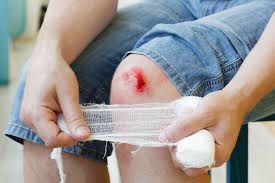
Using a sterile bandage or dressing is vital to shield the wound from further injury and contamination. Changing the dressing regularly—at least once every couple of days—is recommended, ensuring it remains dry and allows airflow.
3. Monitor for Infection
Check the wound often for signs of infection. If you see increased redness, swelling, or drainage, seek medical attention promptly. Quick action can prevent further complications.
4. Manage Pain and Other Symptoms
If a wound is painful, consider using over-the-counter pain relief. Always follow dosing instructions on the medication, and consult a healthcare professional for recommendations tailored to your situation.
5. Seek Professional Help When Necessary
For severe wounds or those not healing properly, it's critical to consult a healthcare professional. They may provide advanced treatments such as stitches or antibiotics if there is an infection.
Advanced Wound Care Techniques
For more complicated or chronic cases, specialized care techniques may be necessary, including:
Debridement: This method removes damaged tissue from the wound to help promote healing. It is essential for wounds that have become stagnant in the healing process.
Topical Treatments: Using advanced dressings, such as silver dressings, can be beneficial for promoting healing in stubborn wounds.
Skin Grafts and Flaps: These surgical options allow for closing larger or difficult-to-heal wounds using skin from other body parts, speeding up the recovery process.
Embracing Effective Care for Wound Injuries
Wound injuries, while common, require attention and proper management to heal effectively. Understanding the different types of wounds, their causes, and how to care for them can make a significant difference.
Whether dealing with minor cuts from everyday activities or the complexities of chronic wounds, following best practices in wound care is vital. Proper treatment can lead to faster healing and a quicker return to daily activities. Taking proactive measures ensures that wounds heal efficiently and minimizes the risk of complications.
Stay informed, remain proactive, and embrace the journey to healing by managing wounds effectively in your life.


Comments